



Best Time to Move to Miami: A Data-Driven Seasonal Analysis
Determining the best time to move to Miami requires a cold-eyed look at shifting inventory cycles rather than just checking the local thermometer. While the city often markets itself as a year-round paradise, the underlying real estate mechanics are far more volatile and seasonal than a casual observer might suspect. Moving here involves navigating a high-friction environment where weather patterns and tax-induced migration pulses dictate the price of entry. One must balance the physical misery of a tropical summer against the financial strain of a winter lease.
The Verdict: When is the Absolute Best Time to Move to Miami?
Statistical windows suggest that late April through early June offers the most tactical advantage. During this brief gap, the “Snowbird” population retreats to cooler climates, effectively cooling the hyper-competitive rental market. You avoid the logistical nightmare of a hurricane-delayed closing while sidestepping the predatory pricing typical of the winter social season. It is a rare moment of equilibrium before the humidity becomes a genuine health concern for those unaccustomed to the Florida heat index.
Seasonal Breakdown: Cost vs. Comfort
Winter (December – February): The High-Stakes Season
Moving during the winter is a luxury play. The weather is objectively perfect, with temperatures hovering near 75°F, but you will pay for that privilege in every conceivable metric. Short-term housing vanishes. Moving companies frequently spike their rates as they service a flood of high-net-worth relocations. If your arrival coincides with Art Basel, expect the logistics of a simple truck delivery to become a multi-day ordeal due to city-wide gridlock. It is a period of peak aesthetic but minimal fiscal efficiency.
Spring (March – May): The Sweet Spot for Renters
As the tourism frenzy dissipates, the rental market finally regains some sanity. Data from high-density neighborhoods like Edgewater indicates that inventory levels typically climb in mid-spring as seasonal contracts expire. The air remains dry enough to move furniture without ruining it, a factor many newcomers overlook until they experience a Miami rain wall. This window allows for a methodical search process that is simply impossible during the winter rush or the frantic school-year start.
Summer (June – August): High Heat, Lower Competition?
Summer in South Florida is a grueling test of endurance. While some argue that this “off-season” provides leverage, the reality is that family-driven demand for single-family homes remains stubbornly high. However, the high-rise condo sector often sees a noticeable dip in activity. Landlords facing empty units in July may offer concessions that are unheard of in January. You might secure a month of free rent, provided you are willing to supervise a move-in while the heat index clears 100°F.
Fall (September – November): The Strategic Window
September usually marks the low point for professional moving costs, yet it carries the highest risk. This is the peak of the Atlantic hurricane cycle. A single named storm can trigger an “insurance bind,” halting all new policy issuances and effectively freezing real estate closings in their tracks. One might argue that the risk-to-reward ratio is too skewed for those on a tight timeline. If the tropics remain quiet, October offers a pleasant, lower-cost entry point into the market.
The Real Estate Factor: Latest Market Inventory Trends
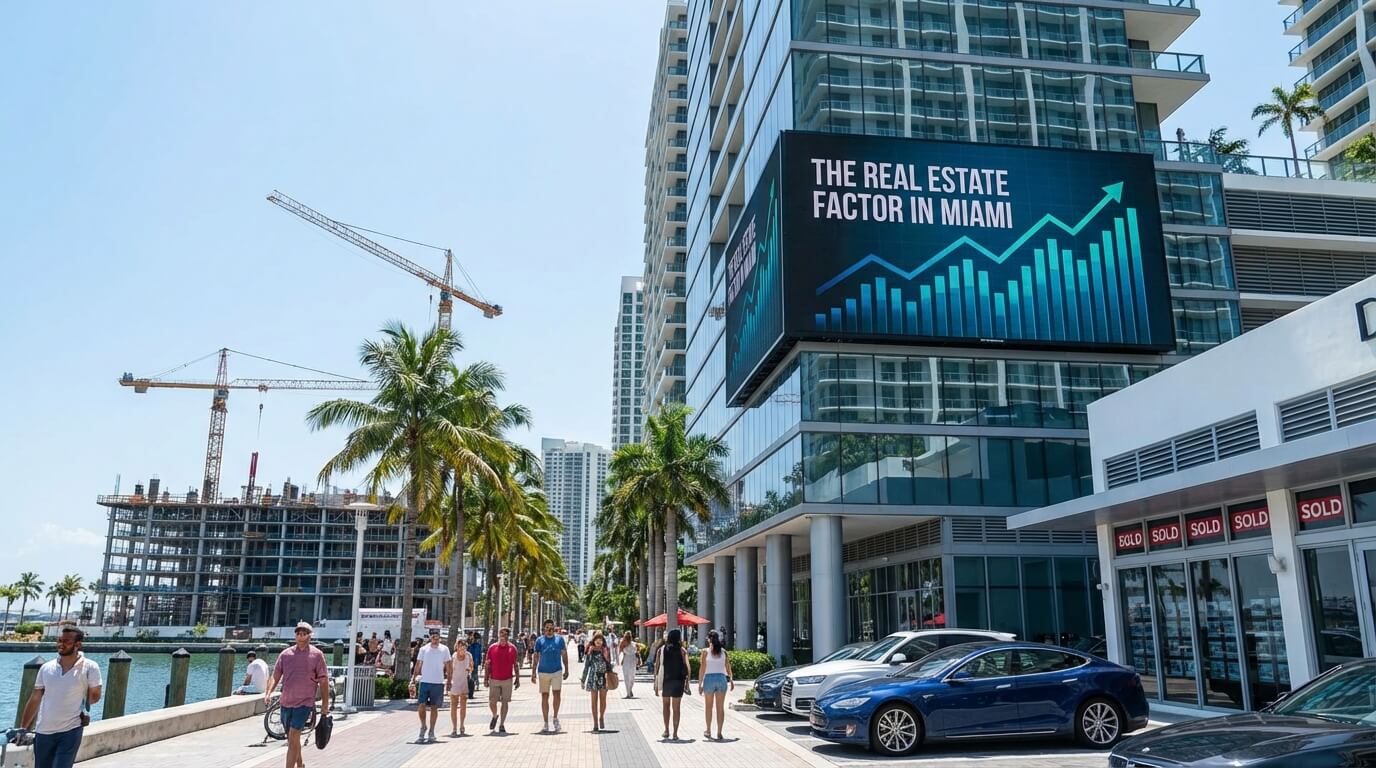
The Miami market has shifted from a frantic seller’s domain into a more measured, balanced state. Active listings have grown significantly, with condo inventory in specific districts up by roughly 40% over previous benchmarks. This suggests that the days of the sight-unseen bidding war are largely over. Prospective residents now have the breathing room to negotiate, a change that rewards those who can time their move to periods of high “days on market” (DOM) stats.

Hurricane Season & Moving Logistics
Navigating a move between June and November requires more than just a truck; it requires a contingency plan. Modern Miami code ensures structural integrity, but the logistics of a storm-day move are non-existent. Insurance companies stop writing policies the moment a storm enters a specific coordinate box. If your closing date is missed because of a tropical warning, your entire life goes into a holding pattern. This friction makes the late-spring window look even more attractive by comparison.
Local Insider Tips: What They Don’t Tell You
The “August Rental Dip” is a real phenomenon driven by the churn of the academic and hospitality workforce. Smaller units in areas like Little Havana often hit the market with little fanfare during the final weeks of summer. Avoid moving during “Event Weekends” at all costs; the Miami Boat Show can turn a twenty-minute drive into a two-hour crawl. Mid-week moves are the only way to ensure you actually get your reserved elevator time in a Brickell high-rise. Coordination is everything in a city that ignores traditional schedules.
Moving to Miami Checklist: Your Final Steps
Initial steps should include a professional HVAC inspection, as a subpar cooling system is a dealbreaker in this latitude. You must also consult the official flood zone maps via Miami-Dade.gov to understand your true liability. Finally, register for local alerts to stay ahead of the flash flooding that can turn a move-in day into a disaster. Entering this market with an elitist, data-driven mindset is the only way to ensure your relocation is a success rather than a costly mistake.
To truly quantify the friction of a South Florida relocation, one must look past generalities and analyze the specific variables that dictate both fiscal and physical costs. The following matrix illustrates the trade-offs between inventory availability, moving overhead, and the literal “sweat equity” required across the four primary transition windows.

The Miami Relocation Strategic Matrix
| Moving Window | Market Inventory | Avg. Moving Costs | Heat Index Risk | Strategic Advantage |
| Spring (March–May) | High (Peak) | Moderate | Low to Medium | The “Sweet Spot”: High inventory as seasonal residents depart; weather is still bearable for physical labor. |
| Summer (June–August) | Moderate | High (Demand) | Extreme | The Negotiator’s Window: Landlords often offer “summer concessions” (free rent) to fill units during the tourism dip. |
| Fall (Sept–Nov) | Increasing | Lowest | Medium (Rain) | The Budget Play: Moving companies offer lowest rates, but you face high hurricane disruption risks. |
| Winter (Dec–Feb) | Low (Competitive) | Highest | Low (Ideal) | The Lifestyle Move: Best weather and social calendar, but expect predatory pricing and zero landlord flexibility. |
Strategic FAQ: Navigating the Miami Relocation Pulse
While most marketing fluff focuses on sunshine, the strategic reality of moving to South Florida requires an understanding of logistics, insurance moratoriums, and “market friction.” Below are the queries that actually move the needle for a successful transition.
Is there a specific “move-in day” I should avoid in Miami?
Yes. You should strictly avoid scheduling a move during Art Basel (early December) or the Miami Boat Show (mid-February). These events do not just create “traffic”; they induce city-wide gridlock that can turn a local truck transit into an eight-hour ordeal. Furthermore, most high-rise buildings in Brickell and Edgewater will refuse elevator reservations during these windows due to high guest turnover.
How does the “Insurance Bind” affect my moving timeline?
This is a critical, often ignored variable. During peak hurricane season (August–October), if a tropical storm is named and enters a specific coordinate box near Florida, insurance companies will stop issuing new policies. If you are in the final stages of a home purchase, your closing will be legally frozen until the storm passes. One might argue that the risk of a “stalled closing” makes the late-spring window significantly more attractive for buyers.
Do I really need a car, or is the Metromover sufficient?
The Metromover is an excellent, free tool if your life is strictly contained within the Brickell-Downtown-Edgewater corridor. However, the data remains recalcitrant regarding the efficiency of Miami’s broader public transit. For 90% of residents, a car is not a luxury; it is a necessity for basic errands and escaping the 100°F heat index during the summer months.
What is the “August Rental Dip”?
This refers to a brief pulse in the market where students and hospitality workers often terminate leases before the new fall cycle begins. While the heat is at its most oppressive, savvy renters can often find “hidden gems” in older buildings in areas like Little Havana or North Miami that would otherwise be sniped instantly during the winter rush.
Why is everyone talking about “Special Assessments” in 2026?
Following recent legislative shifts in Florida, many older condo buildings are now required to maintain significantly higher financial reserves. This has led to “special assessments”—one-time, often five-figure fees charged to unit owners. When scouting inventory, it is essential to ask for the building’s reserve study; a low listing price often masks an impending $50,000 assessment bill.