



Cost of Independent Living in Florida – Senior Living Blueprint
If you are eyeing the Sunshine State for your next chapter, you aren’t alone. But as a local real estate authority, I see the same mistake every day: seniors budget for the “view” but forget the “venue” and the “vault.” In 2026, the cost of independent living in Florida isn’t just a monthly rent check; it’s a lifestyle ecosystem that requires a sharp eye on both real estate trends and estate protection.
Whether you’re moving to a sun-drenched condo in Sarasota or a quiet villa in Ocala, the financial landscape has shifted. Between fluctuating interest rates and the rise of “luxury-lite” senior communities, you need the boots-on-the-ground data to ensure your retirement nest egg doesn’t just survive—it thrives.
The Reality of Independent Living Costs in Florida (2026 Data)
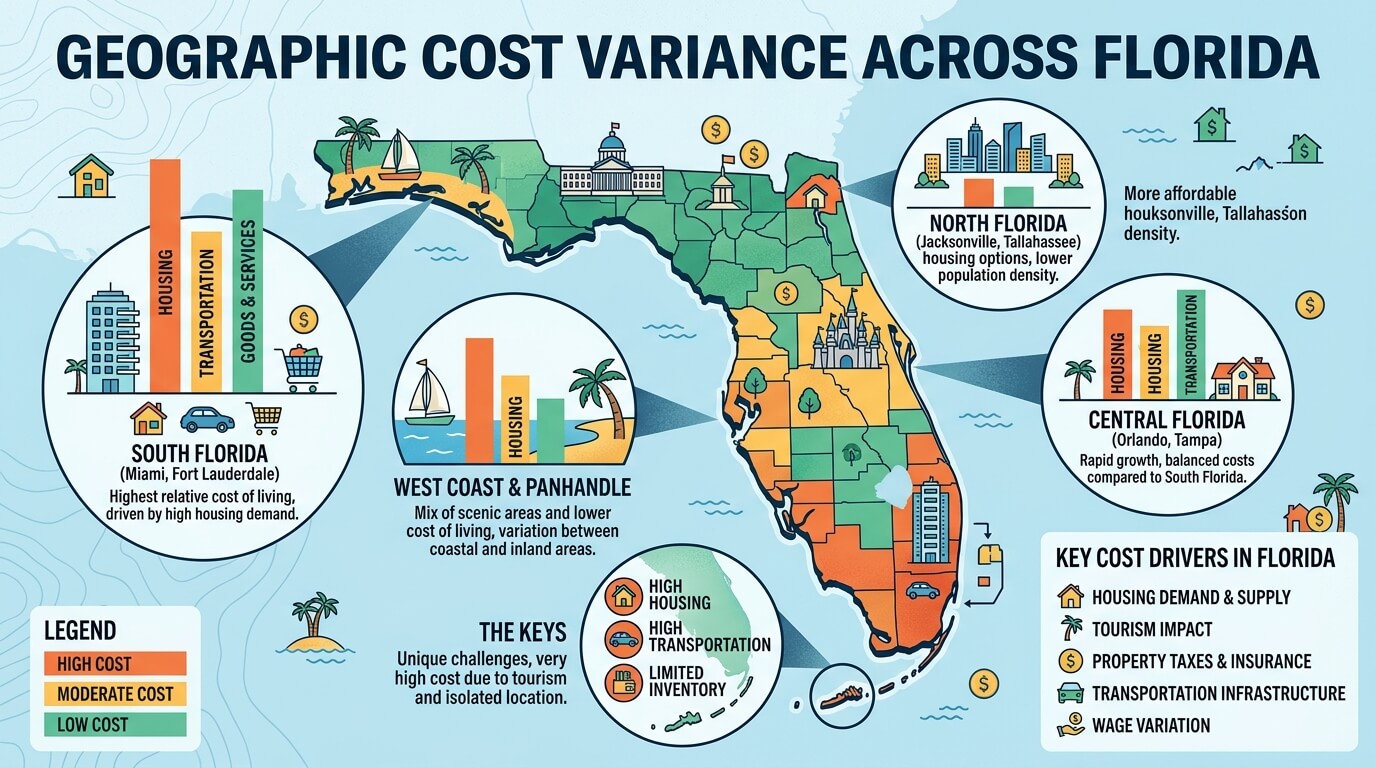
The cost of independent living in Florida currently holds a statewide median of $3,375 per month. However, “median” is a dangerous word in a state this diverse. While that figure covers your housing, basic utilities, and some community perks, the actual range for 2026 sits between $2,100 and $5,800 depending on the zip code.
High-growth corridors like Miami and Fort Lauderdale are seeing monthly rates push toward the $4,500 mark as land value remains at a premium. Conversely, the “missing middle” housing in Central Florida (think Lakeland or Marion County) offers high-quality independent living for closer to $2,800. If you are coming from the Northeast or California, these prices still look like a bargain, but the 5-7% annual rate increases we’re seeing in 2026 mean you must factor in a “buffer” for the long haul.
2026 Regional Cost Breakdown
| Market Area | Median Monthly IL Cost | Median Home Price (For Sale) |
| Naples / Marco Island | $4,950+ | $860,000 |
| Orlando / Kissimmee | $3,875 | $430,000 |
| Jacksonville | $3,150 | $377,000 |
| Ocala / The Villages | $2,750 | $279,900 |
| Tampa Bay Area | $3,900 | $386,500 |

Protecting the Move: The Cost of a Living Trust in Florida
As a real estate expert, I can tell you that buying your Florida home is only half the battle. If you don’t have a plan for how that home is titled, the Florida probate courts will eventually take a significant “tax” in time and money. This is why the cost of living trust in Florida is a non-negotiable part of your relocation budget.
In 2026, a standard revocable living trust in Florida typically costs between $1,500 and $4,000 when handled by an experienced estate attorney. While you might see “DIY” kits online for $400, I strongly advise against them for Florida residents. Our state has unique “Homestead” laws that are notoriously difficult to navigate; one wrong word in your trust document can strip you of your property tax protections or make it impossible for your heirs to sell the home.
Why the Investment in a Trust Pays for Itself
A living trust allows your assets—including your high-value Florida real estate—to pass to your beneficiaries without the 6-to-12-month nightmare of probate. In Florida, probate fees can easily eat up 3% of your estate’s value. On a $500,000 home, that’s $15,000. Spending $2,500 now to save $15,000 later is the smartest ROI you’ll find in the real estate market.
Local Insider Tips: What They Don’t Tell You at the Tour
Many seniors move into independent living thinking the “monthly fee” is the total. It rarely is. As you tour communities, ask about the “Community Fee” or “Entrance Fee.” These are one-time, non-refundable charges that can range from $2,500 to a staggering $50,000 in high-end CCRCs (Continuing Care Retirement Communities).
Also, watch for “A La Carte” traps. Some Florida communities lure you in with a lower base rent but then charge extra for high-speed Wi-Fi, premium cable, or even “tray service” if you want to eat in your room. In 2026, the smartest move is to look for “all-inclusive” models which, while appearing more expensive upfront, protect you against the creeping costs of inflation on food and utilities.
Expert Strategy: The “Florida Flip”
If you are selling a home in a high-cost state (like New York or Illinois) to move to Florida, don’t just dump all your cash into a new house. In 2026, many of my clients are opting for rental-based independent living rather than buying. This keeps their capital liquid and earning 4-5% in a high-yield account, which often covers a significant portion of their monthly rent.
By using a living trust to hold your liquid assets and any residual real estate, you create a “probate-proof” bubble. This ensures that even if your health needs change and you have to transition from independent living to assisted care, your assets are organized, protected, and accessible to your family without government interference.


Final Checklist for Your Florida Move:
- Update your Trust: Florida courts prefer Florida-based trusts. Don’t rely on a 10-year-old document from out of state.
- Audit the Amenities: Ensure your independent living fee includes property taxes and insurance—two costs that have spiked in Florida recently.
- Check the “Waitlist” Velocity: High-demand areas like Sarasota have 12-month waits. Secure your spot before you list your current home.