


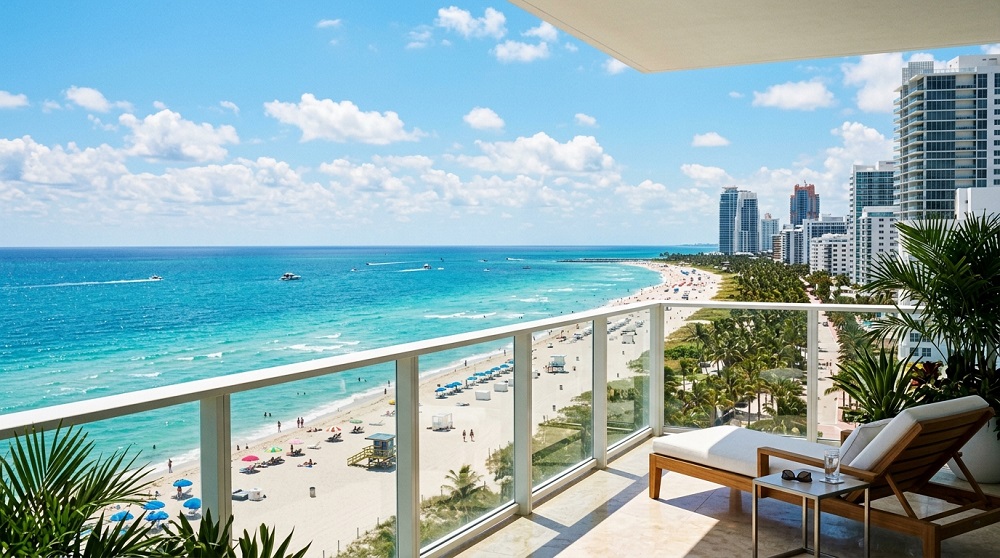
Best Affordable Places to Live in South Florida: The Insider’s Guide
Finding the best affordable places to live in South Florida feels like an exercise in managing disappointment. The local market is currently caught between high demand from northern transplants and a harsh new reality in the insurance sector. While “cheap” is a relic of the past, value still exists for those willing to look past the glitzy coastal enclaves. This guide sidesteps the usual real estate fluff to look at where the numbers actually make sense.
One might argue that the term “affordable” is doing a lot of heavy lifting here. In reality, we are looking at areas where the median income can still cover a mortgage without a total lifestyle collapse. We have parsed the latest sales data to find neighborhoods that offer a foothold in the subtropics without the fiscal trap of the major metros.
The South Florida Affordability Reality Check
The true cost of living here is often masked by the lack of a state income tax. However, the data remains somewhat recalcitrant regarding long-term savings because property taxes and insurance premiums have ballooned. The “Sunshine Tax” is no longer a minor annoyance; it is a primary budget line item. Recent trends suggest a move toward inland cities as the only viable path for middle-class ownership.
This westward migration is more than a preference. It is a survival strategy. Coastal condos that once served as entry-level housing now face massive assessments. If a listing price looks like a bargain, the monthly HOA dues likely tell a different, more expensive story.
Top 7 Affordable Cities in South Florida Right Now
1. Port St. Lucie: The King of Value
Port St. Lucie is the go-to for anyone who wants a yard and a quiet street. It avoids the congestion of Miami-Dade while offering houses that were built within the last decade. This matters because newer builds are cheaper to insure. Safety ratings here are consistently high, making it a favorite for those raising kids or looking to slow down.
Local Insider Tip: Look into the Tradition area. It’s a master-planned hub that mimics a small-town feel but with modern infrastructure. It is one of the few places where you get a polished environment without the Palm Beach price tag.

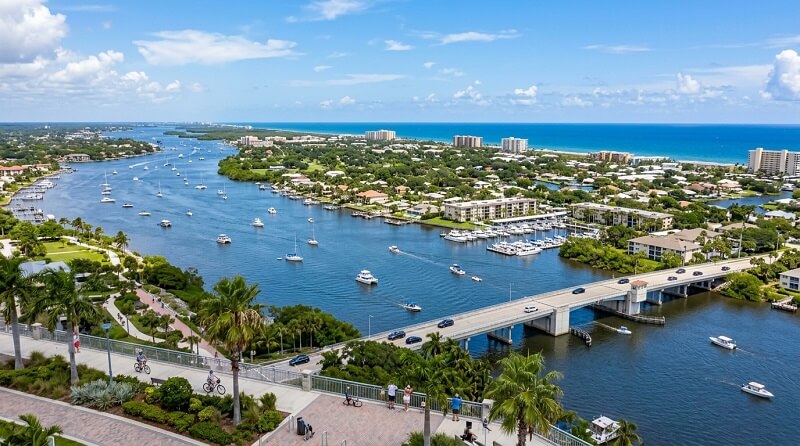
2. Homestead: The Gateway to the Keys
Homestead sits at the edge of the Everglades and serves as a release valve for Miami’s housing pressure. It is raw and agrarian in parts, but it offers the lowest entry prices in the county. You get more square footage for your money here than anywhere else in South Dade.
What they don’t tell you: The commute to Miami is a grind. Unless you work from home or in the immediate area, the time spent on the road might outweigh the mortgage savings. Still, being a short drive from the Keys is a major perk for boaters and weekend travelers.
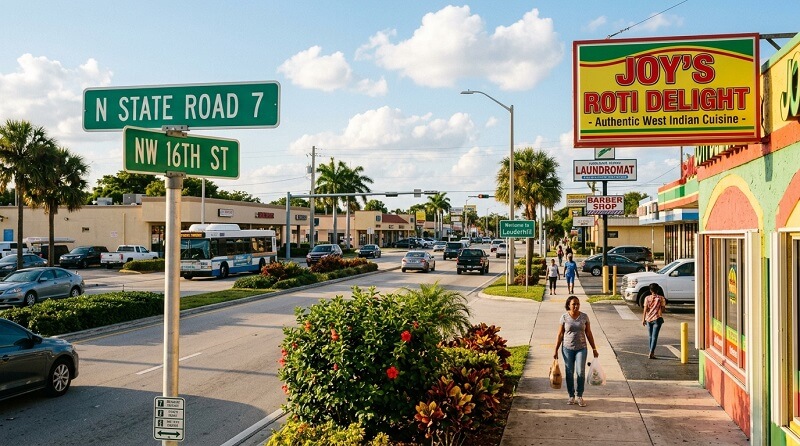
3. Lauderhill: Centralized and Budget-Friendly
Lauderhill is a dense, culturally rich pocket of Broward. It doesn’t have the manicured look of the western suburbs, but it is incredibly central. You can reach the beach, the airport, or the Everglades in twenty minutes. The food scene is authentic and spans the Caribbean and South Asia.
Expert Advice: Many condo boards here are currently navigating new state-mandated structural inspections. This creates a temporary window where prices stay low, but buyers should vet the association’s reserve funds with extreme care. It’s a calculated risk that can pay off.
4. Lake Worth Beach: Coastal Vibe, Creative Prices
Lake Worth Beach is the antithesis of the stuffy Palm Beach aesthetic. It is quirky, colorful, and feels like a real town rather than a corporate development. The housing stock consists of historic bungalows and mid-century apartments. It’s one of the few coastal spots where “character” doesn’t cost a million dollars.
Local Insider Tip: Focus on the streets west of Dixie Highway. You lose the status of being “East of Federal,” but you gain a backyard and a much lower tax bill while staying within biking distance of the pier.
5. Sunrise: More Than Just a Mall Town
Sunrise has evolved from a sleepy retirement spot into a corporate powerhouse. It is home to major employers and the biggest outlet mall in the country. The lifestyle is organized and safe. It feels like a city that was planned with a ruler, which appeals to those who hate urban sprawl.
Latest Trend: The area near the hockey arena is seeing a push toward “live-work-play” zoning. This is a smart bet for long-term appreciation as the city tries to create a more walkable urban core in the middle of the suburbs.
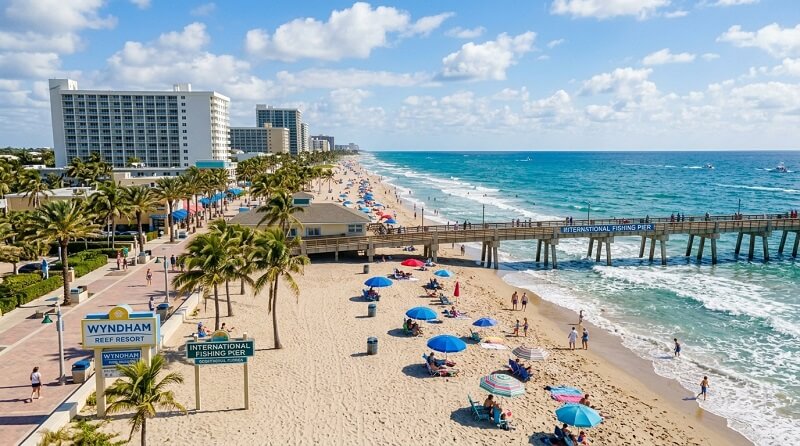
6. Deerfield Beach: Affordable Oceanfront Living?
Deerfield Beach is the blue-collar cousin of Boca Raton. It has one of the best beaches in the state and a pier that serves as a local landmark. While the sand-front houses are expensive, the neighborhoods just a mile inland are still within reach for professional couples.
Expert Advice: Look for properties tucked between I-95 and Federal Highway. You get the ocean breeze and the coastal lifestyle without the “Boca” markup. It’s a neighborhood that hasn’t quite realized how valuable it actually is.
7. Greenacres: The Quiet Family Alternative
Greenacres is often missed on a map, and that is why it stays affordable. It is a small, well-run city in Palm Beach County that focuses on parks and schools. It doesn’t have a flashy downtown, but it is incredibly stable. It’s the kind of place where people move and stay for twenty years.
Why it’s a win: You are surrounded by Wellington and West Palm Beach. You can use their high-end amenities and then retreat to your quiet, lower-tax neighborhood. It is a strategic way to live a high-end life on a mid-range budget.
10 Additional Value-Packed Cities in South Florida
8. North Lauderdale: The Affordable Hub of Broward
North Lauderdale is a compact suburb that prioritizes utility over flash. It’s a high-density area where everything is five minutes away. The lifestyle is no-nonsense and caters to workers who need quick access to the Turnpike. It’s a community where the local park is the main social venue.
Growth Areas: The State Road 7 corridor is finally getting the investment it needs. New retail and modern apartment blocks are replacing older plazas. This suggests a slow but steady uplift in the local property values as the “Live Local” law brings newer residents to the area.
Size and Population: Roughly 45,000 people live in this 5-square-mile city. It is small enough that the city government is accessible, but large enough to support a wide range of services. The density makes it feel more like a traditional town than a sprawling suburb.
Housing Market: The median sale price is roughly $350,000. It is a fast-moving market because it is one of the last places in Broward where you can find a single-family home for that price. Expect competition, but the inventory is usually consistent.
Cost of Living: Rent averages around $2,300, which is high but manageable compared to the $3,500 prices found in Fort Lauderdale. You save on the basics here. Grocery stores and local services are priced for the middle class, not the tourists.
Waterfront Living: Do not expect a beach, but do expect a canal. Many backyards back up to these waterways. It provides a sense of space and a bit of wildlife, like iguanas and herons, which adds to the Florida experience without the ocean-front insurance rates.
Mistake: Buying a house with a 40-year-old electrical system. Many homes here date back to the 70s. If the panel hasn’t been updated, your insurance company will likely drop you within thirty days of closing. Factor that $3,000–$5,000 upgrade into your offer.
9. Margate: The Low-Density Gem
Margate feels more like a Midwestern town that happens to have palm trees. It is one of the few places in Broward that doesn’t feel crowded. The lifestyle is centered on golf courses and parks. It’s a great spot for those who want to avoid the “Miami hustle” but still need to be within driving distance of the city.
Growth Areas: The “City Center” project is a major play to create a downtown area from scratch. If it succeeds, the surrounding neighborhoods will see a significant jump in desirability. It is a “get in now” opportunity for those with a five-year horizon.
Size and Population: About 58,000 people call Margate home. It spans 9 square miles, which is quite large for the area. This means bigger lots and less traffic. It’s a city that hasn’t lost its suburban soul to high-rise developers.
Housing Market: Currently, Margate is showing signs of a buyer’s market. Prices have softened to around $316,000. This is a rare chance to negotiate with sellers who are seeing their homes sit for a few weeks longer than usual.
Cost of Living: It’s about 5% cheaper than the Florida average. The city is fiscally conservative, which reflects in the local tax rates. It’s a place where you can still find a $15 lunch and a reasonably priced mechanic.
Waterfront Living: The city is full of lakes and canals. In neighborhoods like Gardens, the water views are the main selling point. While you can’t sail a boat to the Atlantic, the view from the patio makes the Florida heat much more bearable.
Mistake: Not checking the age restrictions. Margate has dozens of 55+ communities. They are significantly cheaper than all-age housing, but they are legally mandated to keep younger families out. Don’t let a low price blind you to the “Senior Only” fine print.
10. Miramar: The Modern Corporate Bridge
Miramar is the “grown-up” version of a Florida suburb. It sits on the border of Broward and Miami-Dade, making it the perfect base for corporate professionals. The city is clean, modern, and very well-funded. It feels expensive, even though the housing prices are still somewhat grounded.
Growth Areas: The western end of the city is where the action is. New construction and tech hubs are popping up near the Everglades. This area is drawing in a younger, wealthier demographic that is looking for “new” rather than “historic.”
Size and Population: This is a big city with 140,000 residents. It’s divided into East and West Miramar. The East is more established and affordable, while the West is more upscale and gated. It offers two different lifestyles within the same city limits.
Housing Market: The median price is around $500,000, which is high, but the townhome market is much more accessible. You can find modern, three-bedroom townhomes in the $350k–$400k range. These are popular with young families who want the Miramar zip code without the half-million-dollar price tag.
Cost of Living: It’s roughly 28% higher than the national average, but salaries in the local corporate parks tend to match. Healthcare is a bright spot, with costs being nearly 17% lower than the national average due to the high density of hospitals and specialists.
Waterfront Living: The lakes in West Miramar are massive and well-maintained. Many have walking trails that wrap around the perimeter. It is “curated” waterfront living—very safe, very clean, and very photogenic.
Mistake: Forgetting the HOA and CDD fees. Miramar’s western communities are beautiful because they are highly managed. That management costs money. Always ask for the “Total Monthly Carry” including the CDD tax, or you might find yourself $600 over budget every month.
The “Hidden” Costs of South Florida Living
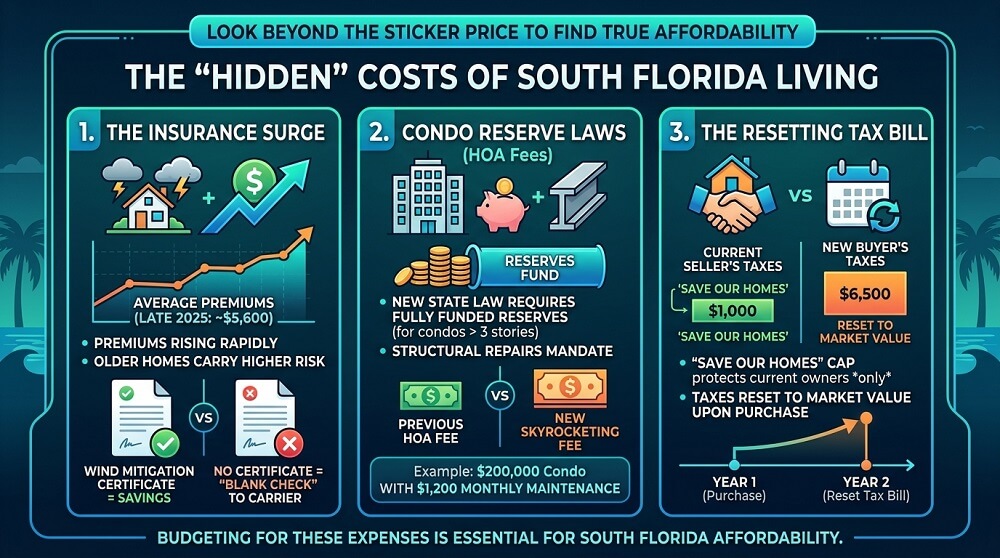
The sticker price is only the beginning of the financial conversation. To truly find the best affordable places to live in South Florida, you have to account for the “Big Three” expenses that are currently wrecking budgets.
- The Insurance Surge: Average premiums for late 2025 hit $5,600. If you buy an older home without a “Wind Mitigation” certificate, you are essentially signing a blank check to your insurance carrier.
- Condo Reserve Laws: A new state law requires condos over three stories to fully fund their reserves for structural repairs. This has caused HOA fees to skyrocket. That “cheap” $200,000 condo might come with a $1,200 monthly maintenance fee.
- The Resetting Tax Bill: Florida’s “Save Our Homes” cap protects current owners, but when you buy, the taxes reset to the current market value. Your tax bill in year two will be much higher than what the seller is currently paying.
FAQs: Living in South Florida on a Budget
1. What salary is needed to survive here?
A single person should aim for $65,000–$75,000 to live in an affordable area without constant stress. If you have kids, that number needs to hit six figures quickly.
2. Does the lack of state income tax really help?
It helps high earners the most. For the middle class, the savings are often eaten by higher insurance costs and car registration fees. It’s a trade-off, not a free lunch.
3. Is the crime as bad as people say?
South Florida is a patchwork. You can have a million-dollar street two blocks away from a rough area. Cities like Tamarac and Greenacres are statistically very safe.
4. How much is the average A/C bill?
Expect to pay $200–$350 a month in the summer. If the house has old windows and a 20-year-old A/C unit, it could be much higher.
5. What is the “Live Local Act”?
It’s a law that gives tax breaks to developers who reserve units for “essential workers.” It’s making it easier for teachers, nurses, and police officers to find rentals in cities like Miramar.
6. Do I really need flood insurance?
If you are in a flood zone, your lender will require it. Even if you aren’t, one heavy tropical storm can cause street flooding. Most locals recommend a basic policy for peace of mind.
7. Is a car mandatory?
Yes. Outside of a few blocks in Miami or Fort Lauderdale, the public transit is too slow for a working professional. Budget for a car, gas, and high insurance premiums.
8. What is a “Special Assessment”?
It’s a bill from your HOA for a major project, like a new roof or pool repair. They can be thousands of dollars and are often due in a short window. Always read the board minutes before buying a condo.
9. How do I lower my property taxes?
Apply for the Homestead Exemption as soon as you move in. It knocks $50,000 off your assessed value and caps future increases at 3% per year.
10. Is the market going to crash?
The condo market is soft because of new regulations, but single-family homes remain in high demand. Don’t wait for a 2008-style crash; it’s more likely we will see prices go sideways for a while.