


The Actual Cost of Assisted Living in Florida: A Cold Look at the Numbers
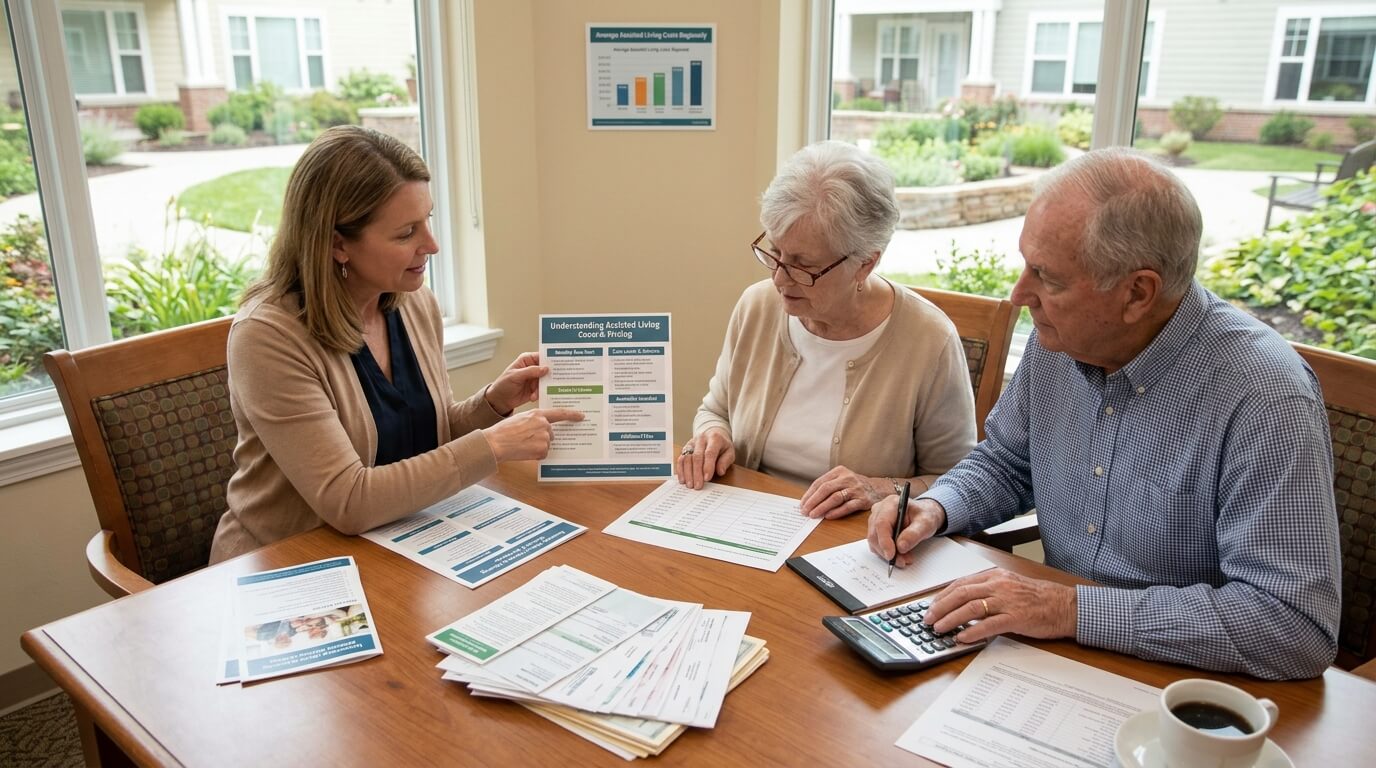
Families often approach the question of what is the average cost of assisted living in Florida with a sense of sticker shock, and for good reason. The sunshine state, long a refuge for those seeking a manageable retirement, has seen its care infrastructure stretched by a perfect storm of migration and insurance crises. Based on the latest market shifts, you should expect to pay a median of $5,649 per month. This figure represents a baseline, a starting point that ignores the granular reality of regional pricing and the tiered nature of modern care. To understand why a facility in the Panhandle costs thousands less than one in Naples, we have to look at the underlying real estate values and the specific licensing burdens placed on Florida operators.
Regional Pricing Disparities: Beyond the Statewide Median
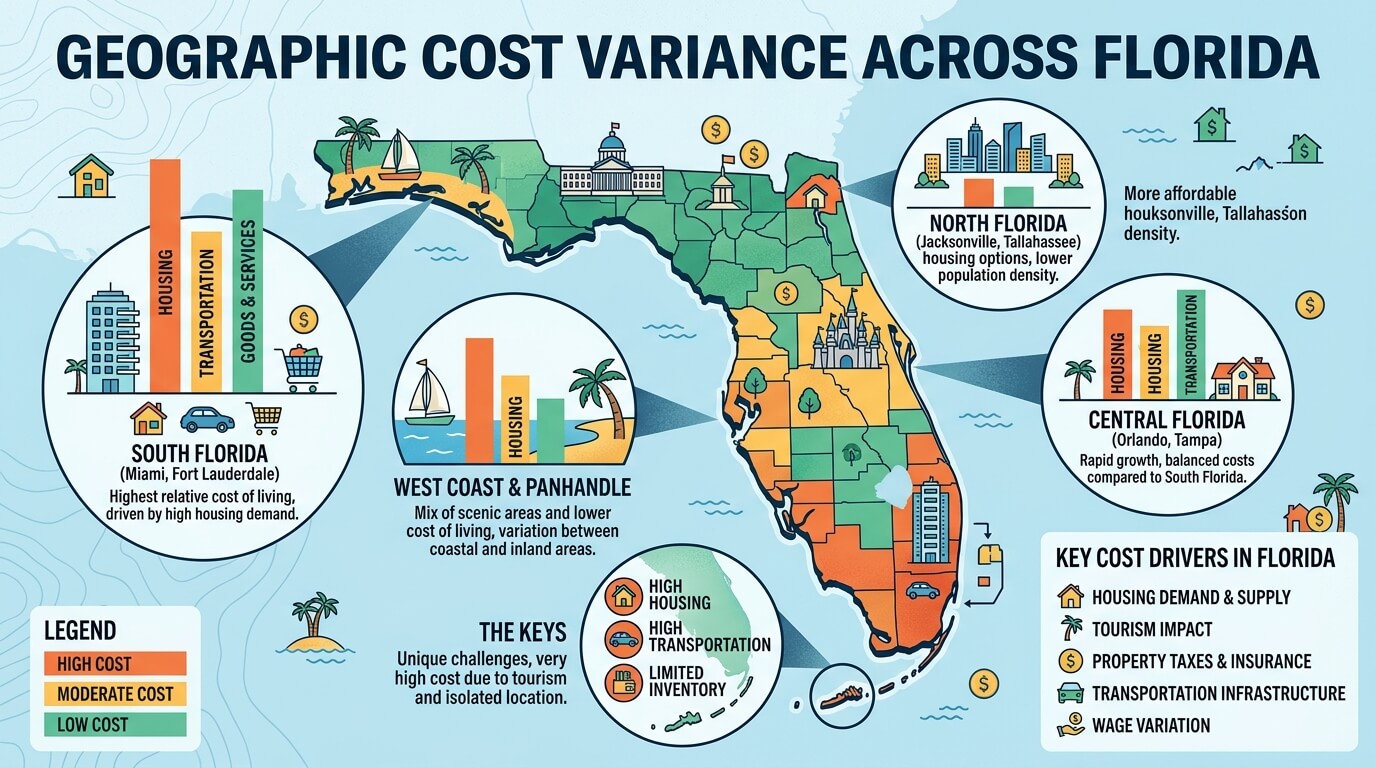
The state-wide average is a useful metric for high-level budgeting, but it fails to capture the localized economic pressures found in specific Florida ZIP codes. In the luxury corridors of Southwest and Southeast Florida—think Naples and Boca Raton—the monthly bill frequently climbs to $6,471 or higher. These markets operate on a scarcity model, where high land costs and a wealthy demographic drive prices upward. Conversely, inland cities like Ocala or those in the Panhandle, such as Pensacola, offer a reprieve. In these regions, the monthly median drops to approximately $4,933. This suggests that for many families, the most effective way to manage costs is simply to move 30 miles away from the coastline.
Geographic Cost Variance Across Florida
The primary driver of price remains the local real estate market. Coastal regions command a premium, while inland “hinterlands” offer the most significant savings.
| Florida Region | Representative Cities | Estimated Monthly Base Cost | Local Pricing Driver |
| Southwest | Naples, Fort Myers | $6,471+ | High land value; luxury demand |
| Southeast | Miami, Boca Raton | $5,994+ | High labor costs; coastal insurance |
| Northeast | Jacksonville | $6,113 | Expanding medical hub demand |
| Central | Orlando, Tampa | $5,225 – $5,263 | Competitive “middle ground” |
| North / Inland | Ocala, Pensacola | $4,851 – $4,933 | Lower overhead; rural labor rates |

The Central Florida “Middle Ground”
Orlando and the surrounding I-4 corridor represent a moderate alternative, with costs averaging roughly $5,225. While these areas lack the ocean breeze, they benefit from a high concentration of retirement-specific infrastructure which, in theory, should foster competition. However, one might argue that this density also creates a floor for labor costs, preventing prices from falling as low as they do in the more rural northern counties. It is a trade-off between accessibility to major medical hubs and the raw monthly price tag.
The Tiered Care Model and Hidden Fee Structures
One of the most frequent complaints from families involves the “price creep” that occurs shortly after move-in. Most Florida facilities utilize a “Level of Care” (LOC) system that tacks on additional costs to the base rent. A resident might move in at a “Level 1” status, paying only for room and board, but quickly transition to “Level 3” as their needs for medication management or mobility assistance grow. These care tiers can add anywhere from $500 to $2,500 to the monthly statement. This pricing structure often feels opaque to the consumer, but it reflects the facility’s need to offset the rising cost of specialized nursing staff.
The Heavy Burden of Memory Care
For those requiring secured units due to cognitive decline, the financial math changes entirely. Memory care is not a standard service; it is a high-security, high-staffing operation. In Florida, these units typically command a 40% premium over standard assisted living, with rates often landing between $7,500 and $9,500. The data remains somewhat recalcitrant regarding whether these higher costs always translate to better outcomes, yet the specialized environmental design and lower staff-to-resident ratios make these prices the standard across the state.
The “Level of Care” (LOC) Impact
Base rent covers the “roof and food,” but your actual monthly bill will depend on the clinical support required. In Florida, most facilities use these updated tier estimates.
| Care Tier | Typical Services Included | Add-on Monthly Fee |
| Independent / Base | Meals, utilities, basic housekeeping | $0 (Included in Base) |
| Level 1 (Light) | Medication reminders, laundry | + $500 – $1,000 |
| Level 2 (Moderate) | Help with bathing, dressing, grooming | + $1,000 – $2,500 |
| Memory Care | 24/7 secured unit, specialized therapy | + $2,500 – $4,500 |
Florida’s Unique Economic Headwinds: Insurance and Labor
We cannot discuss the price of care without acknowledging the “Florida-only” factors that drive overhead. The state’s property insurance market is currently in a state of upheaval, with premiums for commercial facilities skyrocketing after recent hurricane seasons. These costs do not vanish; they are baked into the “community fees” and annual rent increases that residents pay. Furthermore, Florida’s Agency for Health Care Administration (AHCA) has strict licensing requirements. A facility with an Extended Congregate Care (ECC) license can provide more intensive services, allowing a resident to avoid a nursing home for longer, but maintaining that license requires hiring higher-paid clinical staff.+1
Negotiating the Entry Costs
While the monthly rent is often fixed, the “Community Fee”—an upfront charge ranging from $2,500 to $5,000—is surprisingly fluid. Facilities with low occupancy rates are often willing to slash or waive this fee to secure a contract. It is a rare moment of leverage for the consumer in an otherwise seller’s market. Smart families also look into Veterans Aid & Attendance benefits, which can provide a tax-free stipend of over $2,200 to help bridge the gap between social security and the actual cost of a high-quality facility.
Comparison of Senior Care Alternatives in Florida
If you are weighing assisted living against staying at home or moving to a nursing facility, these are the state-wide monthly medians.
| Care Type | 2025/2026 Monthly Median | Best For… |
| In-Home Care (44hr/wk) | $6,878 | Aging in place with moderate needs |
| Assisted Living | $5,649 | Social engagement + personal care |
| Memory Care (ALF) | $8,019 | Specialized dementia/Alzheimer’s support |
| Nursing Home (Private) | $12,262 | High-acuity 24/7 medical supervision |


Final Economic Considerations for Families
Choosing a facility based solely on the average cost is a recipe for a mid-contract crisis. The real price of assisted living in Florida is a moving target, influenced by real estate cycles, insurance premiums, and the specific care needs of the individual. One should view the $5,649 median as a rough guide, but the actual out-of-pocket expense will almost certainly be dictated by the facility’s AHCA license and its proximity to the coast. Planning for a 5% to 7% annual increase is a sober, necessary step for anyone looking at long-term residency in the Sunshine State.