
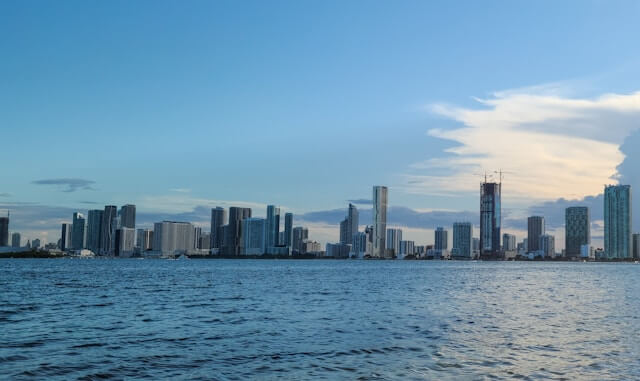
South Florida’s Moving Targets: A 2026 Guide to the Best Places to Live South Florida
Deciding on the best places to live in South Florida used to be a simple exercise in mapping beachfront proximity against school zones. That era ended when the global migration of the early 2020s collided with a radical shift in the state’s insurance and regulatory environment. Today, an informed choice requires a cold-eyed look at “Elevation Equity” and the sudden financial weight of the 2025 condo assessment mandates. This isn’t about finding a tropical postcard; it’s about identifying which micro-markets possess the structural and economic grit to sustain their value over the next decade.
1. Pinecrest: The Suburban Apex
Pinecrest operates as a fortress of high-acreage residential stability. While much of Miami-Dade grapples with densification, this village maintains a stubborn adherence to low-density zoning that keeps its canopy thick and its streets quiet. It is a specific kind of “quiet luxury” that prioritizes privacy over proximity to the nightlife of Brickell.
Lifestyle and Size
With roughly 19,300 residents, the scale remains intimate. Life here gravitates toward the 20-acre gardens and elite youth athletics. It is an environment built for the long-term domestic cycle, far removed from the transient energy of the coast.
The Housing Market and Financials
The $2.3M entry point reflects a market with almost zero velocity. People simply do not leave. One might argue that the 2% property tax rate is steep, yet it funds a municipal infrastructure that is arguably the most responsive in the county.
Growth and Mistakes
North Pinecrest—specifically the corridor above 104th Street—is currently seeing a “scrape-and-build” surge where 1960s ranch homes vanish in favor of $5M modern estates. The mistake most buyers make? Assuming every lot is safe from water. Even here, you must verify the “Flood Zone X” status or face a staggering insurance surprise.
2. Boca Raton: The Corporate-Coastal Hybrid
Boca Raton has successfully pivoted from its reputation as a retirement haven into a legitimate hub for “Wall Street South.” It is a rare city that manages to balance high-end retail with a growing tech sector.
Lifestyle and Population
The city has reached 104,232 residents, a 6% jump since 2020. This growth has fueled a more diverse social scene, moving away from country club exclusivity toward a more varied, urban-suburban mix.
Market Realities and Waterfront Living
Boca’s median price of $650,000 is deceptive because the variance between West Boca and the “Royal Palm” estates is vast. The waterfront remains pristine, governed by the strict Mizner-inspired architectural codes that prevent the aesthetic decay seen in less regulated cities.
Cost of Living and The “Condo Cliff”
Living here is a calculated expense. Beyond the mortgage, “Club Dues” can function like a second property tax. A critical error for 2026 buyers is ignoring the “Milestone Inspection” reports on older A1A condos. New state laws mean that if the building hasn’t funded its reserves, you might inherit a $100,000 assessment on day one.
3. Jupiter: The Low-Density Outlier
Jupiter feels different because it is different. It rejects the high-rise obsession of its southern neighbors, opting instead for a “Tiki-Chic” atmosphere that prioritizes the Loxahatchee River and the Atlantic inlet.
Lifestyle and Growth
This is the home of professional golfers and ocean purists. “Jupiter Farms” represents a fascinating growth area, offering 5-acre lots that allow for an equestrian lifestyle just fifteen minutes from the surf.
Housing and Cost Metrics
With a population of 63,889 and a median home value near $679,000, Jupiter offers a slightly more accessible coastal entry point than Miami. However, the “Extreme Wind Factor” here is a tangible cost; impact glass is a mandatory financial shield, not an upgrade.
The Maintenance Mistake
Many newcomers underestimate the “Salt Spray Factor.” If you live within a mile of the ocean, your HVAC systems and metal fixtures will age at double the normal rate. It is a recurring “coastal tax” that few realtors mention during the initial tour.
4. Weston: The Master-Planned Fortress
Weston is the result of obsessive urban planning. Situated on the edge of the Everglades, it offers a level of manicured safety that borders on the cinematic.
Lifestyle and Safety
The city is effectively a park system with houses attached. It is international, educated, and almost entirely focused on family life. With a median income nearing $140,000, the demographic is exceptionally stable.
Size and Housing
The population sits at 72,007, and because the city is nearly built out, there is no room for intrusive new developments. This “Insulated Market” keeps the $1.2M median price point from fluctuating wildly.
The Commute Factor
Weston is inland, which lowers your insurance risk but raises your “commute fatigue.” If your career requires daily trips to Miami, I-75 will eventually break your spirit. One must weigh the serenity of the Everglades against the reality of a 90-minute rush hour.
5. Coral Gables: The Heritage Market
Known as “The City Beautiful,” Coral Gables is Miami’s historic soul. It is a market where heritage is enforced by law, ensuring that the 1920s Mediterranean aesthetic remains untouched by modern trends.
Lifestyle and Amenities
It is a sophisticated, walkable environment anchored by the University of Miami. The social life revolves around Miracle Mile and the Biltmore, leaning toward intellectual and old-money circles.
Financials and Growth
The $1.5M median price is a high bar, but it buys you “Elevation Equity.” Much of the Gables sits on the Atlantic Ridge, which is the most resilient land in the region. The city’s “White Glove” services—like backyard trash collection—are reflected in the high cost of living.
The Architectural Trap
The biggest mistake here is assuming you own the exterior of your house. You don’t. The Board of Architects must approve everything from paint color to window frames. If you value creative freedom over historic preservation, this city will frustrate you.
6. Fort Lauderdale (Victoria Park): The Urban Beach Core
Victoria Park is the “Brooklyn of South Florida.” It offers a rare mix of 1940s cottages and modern townhomes within walking distance of both a booming downtown and the ocean.
Lifestyle and Waterfront
The vibe is social and bike-friendly. While it lacks the gated security of Weston, it offers a level of urban energy that younger professionals crave. The canal system provides excellent water access, though bridge heights vary significantly.
Growth and Population
The neighborhood is part of a larger 182,000-person city but maintains a distinct, village-like feel. The western edge is currently merging with the artsy Flagler Village, creating a high-growth “cool factor” that is driving up demand.
The Flooding Gap
Check the maps. Despite the $1.09M median price, certain streets in Victoria Park still struggle with “King Tide” flooding. The city is installing new pump stations, but until that infrastructure is complete, some blocks remain much riskier than others.
7. Parkland: The Sprawl-Free Zone
Parkland is the “Anti-City.” It has successfully fought off commercial encroachment, leaving a landscape defined by equestrian trails and massive parks.
Lifestyle and Education
The city is almost 100% family-centric. Schools are the primary economic driver here, and the social calendar is dominated by youth sports. It is a “quiet” town by design.
Housing and Size
The population has surged to 42,094, a 20% jump that has pushed the median price to $1.2M. Homes sell incredibly fast here because there is simply no other place in Broward that offers this level of sprawl-free living.
The School Map Mistake
A common error is buying a home in a new development assuming it is zoned for Parkland schools. Some “Parkland” addresses actually feed into neighboring districts. Always verify the boundary maps with the county rather than trusting a developer’s brochure.
8. Delray Beach: The Social Epicenter
Delray Beach has managed to build a world-class nightlife scene without destroying its residential charm. It is the preferred destination for the 30-to-50-year-old “active” demographic.
Lifestyle and Vibe
Atlantic Avenue is the heartbeat of the town. It offers a permanent vacation feel that attracts a high-energy, entrepreneurial crowd. It is arguably the most “fun” town in the state.
Growth Areas
“North of the Ave” (NoA) is the current redevelopment hotspot. Older cottages are being replaced by $3M estates, signaling a massive shift in the neighborhood’s wealth profile.
Cost and Waterfront
While the median price is skewed by condos ($387,000), single-family beach homes are firmly in the seven-figure range. The mistake? Buying within three blocks of the Avenue if you enjoy silence. The nightlife is vibrant, but it is also loud.
9. Palm Beach Gardens: The Executive Golf Hub
As the headquarters of the PGA, this city is the definitive choice for those who view golf as a lifestyle rather than a hobby.
Lifestyle and Market
This is an executive-heavy market defined by gated “Club Living.” Everything is polished, new, and perfectly maintained. The population of 65,302 is growing rapidly as tax-migrants from the Northeast seek out its secure, high-end environment.
Financials and Growth
The median price of $808,000 is rising by double digits. However, the “Membership Minimum” is a hidden cost. Many of the best communities require a six-figure, non-refundable equity deposit just to move in.
The Membership Mistake
Buyers often focus on the mortgage and ignore the “carrying cost” of the club. In Palm Beach Gardens, your monthly HOA and club dues can easily exceed $2,000. It is a “pay-to-play” market in the truest sense.
10. Aventura: The Vertical Enclave
Aventura is a dense, high-rise city that offers a “Lock-and-Leave” lifestyle for those who prioritize convenience over a backyard.
Lifestyle and Amenities
Life here is vertical. You live in a luxury tower with a concierge and walk to one of the world’s premier malls. The new Brightline station has made it a viable base for those who work in either Miami or Fort Lauderdale.
The Housing Shift
In 2026, Aventura is a buyer’s market for older condos. While single-family homes are rare, the condo market is adjusting to the new state safety regulations, offering a “value play” for those willing to do their homework.
The View Mistake
Never buy for the “current” view. In a high-density zone like Aventura, that empty lot across the street is almost certainly a future tower. Unless you are overlooking the ocean or a permanent golf course, your view has an expiration date.
Critical Intelligence
FAQs for Locating the Best Places to Live in South Florida
Finding the best places to live in South Florida in the current economic climate requires looking past the glossy brochures of beachfront developments. The market has shifted from a post-pandemic frenzy into a period of heavy regulatory scrutiny and insurance recalibration. Buyers now face a landscape where “Elevation Equity” and structural integrity reports carry more weight than a designer kitchen. This shift suggests a trend toward a “Buyer’s Due Diligence” era where the financial plumbing of a building is just as vital as the view from the balcony.
1. Which South Florida municipality offers the highest safety rating?
Statistical data consistently points toward Weston and Parkland as the leaders in low-incident domestic living. These cities were engineered as master-planned fortresses with limited access points and heavy municipal investment in local policing. One might argue, however, that Pinecrest offers a comparable sense of security through its private patrols and low-density zoning, even while sitting much closer to the Miami urban core.
2. How are the latest condo laws shifting the buying process?
The 2025 and 2026 mandates regarding structural reserves have introduced a “Condo Cliff” for older coastal buildings. Any tower over 30 years old must now demonstrate fully funded reserves for major repairs, a requirement that is triggering massive special assessments. You should never sign a contract without reviewing the Milestone Inspection and the current reserve study. Buying into a building with a “funding gap” is a quick way to lose six figures in equity overnight.
3. Does “Elevation Equity” actually impact property value?
Elevation is no longer a niche concern for environmentalists; it is a hard financial metric. Homes situated on the Atlantic Coastal Ridge, particularly in Coral Gables or north Pinecrest, sit on limestone high ground that naturally resists king tide flooding. This geographic luck keeps flood insurance premiums manageable while lower-lying neighbors face a future of escalating costs.
4. Can buyers still find legitimate “value” near the shoreline?
Market data remains somewhat recalcitrant regarding “bargains” on the coast. That said, Aventura is currently showing some price stagnation in its older high-rise inventory as buildings struggle with the new safety compliance costs. If you can identify a building that has already cleared its 40-year recertification, you might find a stable entry into a luxury zip code at a lower price per square foot.
5. What are the hidden carrying costs of a gated community?
The mortgage is often the smallest part of the monthly bill in cities like Palm Beach Gardens or Boca Raton. Many premier developments require mandatory equity memberships that function as a massive secondary tax. These buy-ins can exceed $100,000, with monthly club dues adding another $2,000 to your overhead. You are paying for a curated social ecosystem, not just a house.
6. Which area is most conducive to a remote-work lifestyle?
Jupiter and Wellington are the preferred choices for those who have decoupled their careers from a physical office. These northern markets offer larger footprints and quieter environments than the dense Miami-Dade corridor. One must verify the fiber-optic infrastructure in the more rural “Jupiter Farms” area, as connectivity can be surprisingly spotty once you leave the suburban grid.
7. What should I realistically budget for insurance premiums?
The average South Florida premium currently fluctuates between $3,800 and $4,500 for a standard single-family home. However, that number is a fiction if your roof is over 15 years old or if you lack impact-rated glass. To secure a lower rate, you need a “Wind Mitigation” report that proves your home is structurally tied from the roof to the foundation. Without these “clips” and “straps,” insurance companies will simply refuse to quote you.
8. Is the Brightline rail actually influencing real estate values?
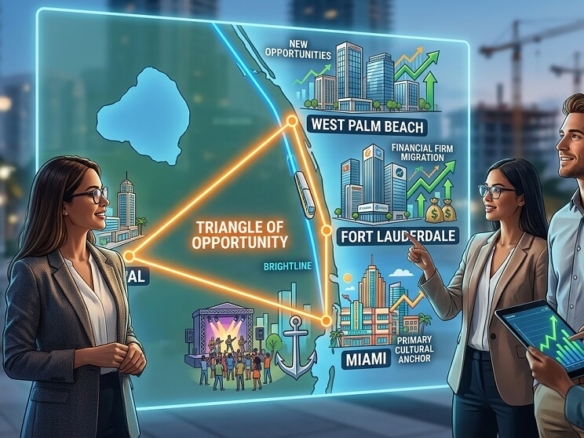
We are witnessing a “Rail Renaissance” in cities like Fort Lauderdale and Boca Raton. The ability to commute to Miami’s financial district in a leather seat with high-speed Wi-Fi has made these mid-county hubs vastly more attractive to high earners. It effectively turns a soul-crushing I-95 commute into a billable hour, which is driving up property values within a two-mile radius of the stations.
9. What is the most common mistake for out-of-state buyers?
Ignoring the “Salt Spray Factor” is a recipe for financial frustration. If you buy within a mile of the Atlantic, your AC condensers, pool heaters, and even metal door hinges will corrode at twice the normal rate. This “coastal wear” means your appliance replacement cycle is significantly shorter than what you experienced in the Northeast or Midwest.
10. Which city shows the strongest long-term growth potential?
One might make a strong case for Delray Beach. It has successfully maintained its “Village-by-the-Sea” charm while fostering a high-energy nightlife on Atlantic Avenue. The “North of the Ave” (NoA) area is currently seeing a massive wave of redevelopment, where older beach bungalows are being replaced by high-value estates, suggesting a long-term upward trend for the local tax base.
Join The Discussion